
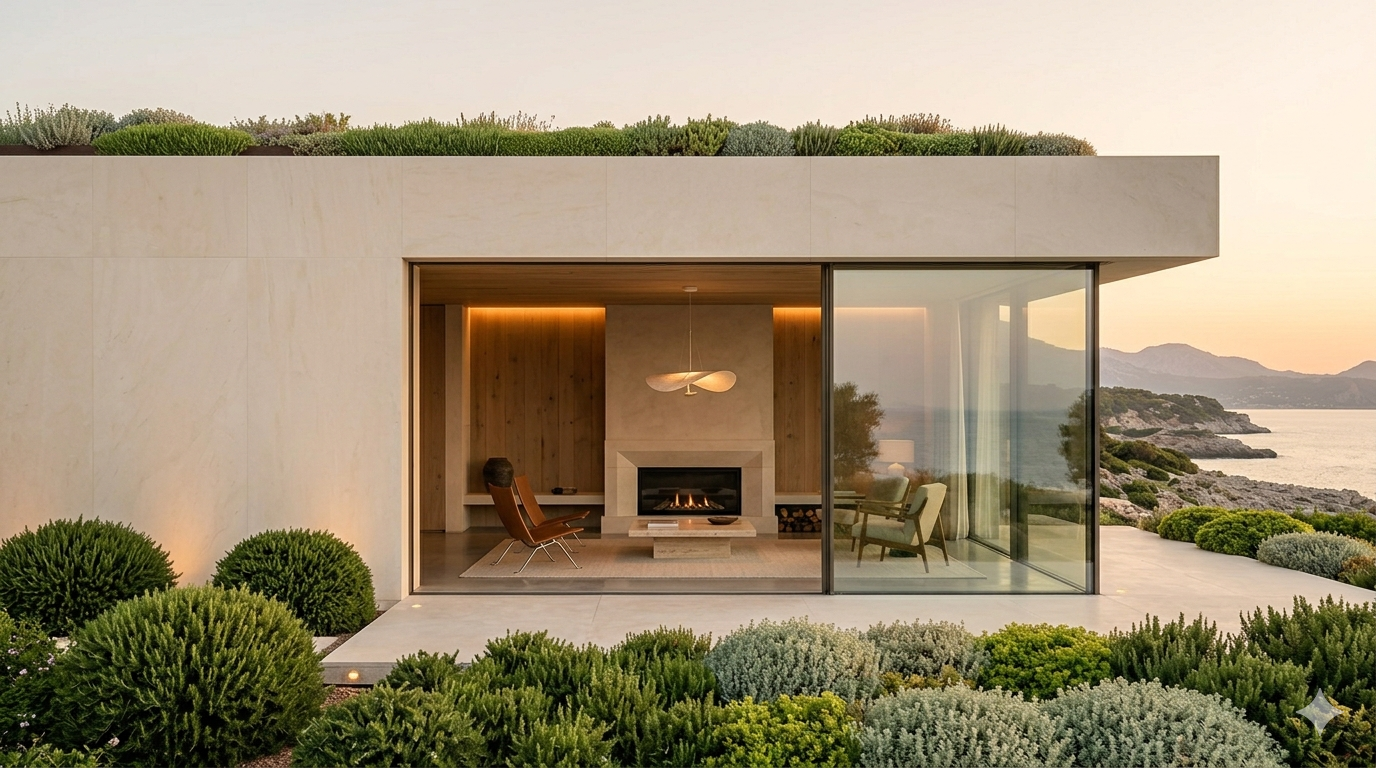
As we move deeper into 2026, architecture and interior design are being redefined by a fusion of technology, sustainability, and emotional intelligence. At the forefront is contextual minimalism—a refined evolution of minimal design that prioritizes material authenticity, spatial clarity, and environmental harmony over visual excess. Clients are no longer seeking empty luxury; they are investing in meaningful, livable spaces that reflect identity and purpose.
Biophilic design continues to dominate high-end residential and commercial projects, but with greater sophistication. Instead of decorative greenery, designers are integrating living systems—vertical ecosystems, natural ventilation strategies, and daylight optimization—creating spaces that actively improve wellbeing and performance.
Technology is also becoming invisible yet essential. Smart environments are now seamlessly embedded into architecture, where lighting, climate, and acoustics respond intuitively to human behavior. The best design no longer showcases technology—it quietly disappears into the experience of space.
Material selection is shifting toward tactile luxury: limewash finishes, natural stone with raw edges, reclaimed timber, and bespoke handcrafted elements. These materials create depth, imperfection, and emotional warmth—qualities that ultra-premium clients increasingly value over polished uniformity.
Ultimately, the future of design is not about spectacle—it is about resonance. The most sought-after spaces are those that feel timeless, grounded, and deeply personal. This is where design becomes legacy, not decoration.