
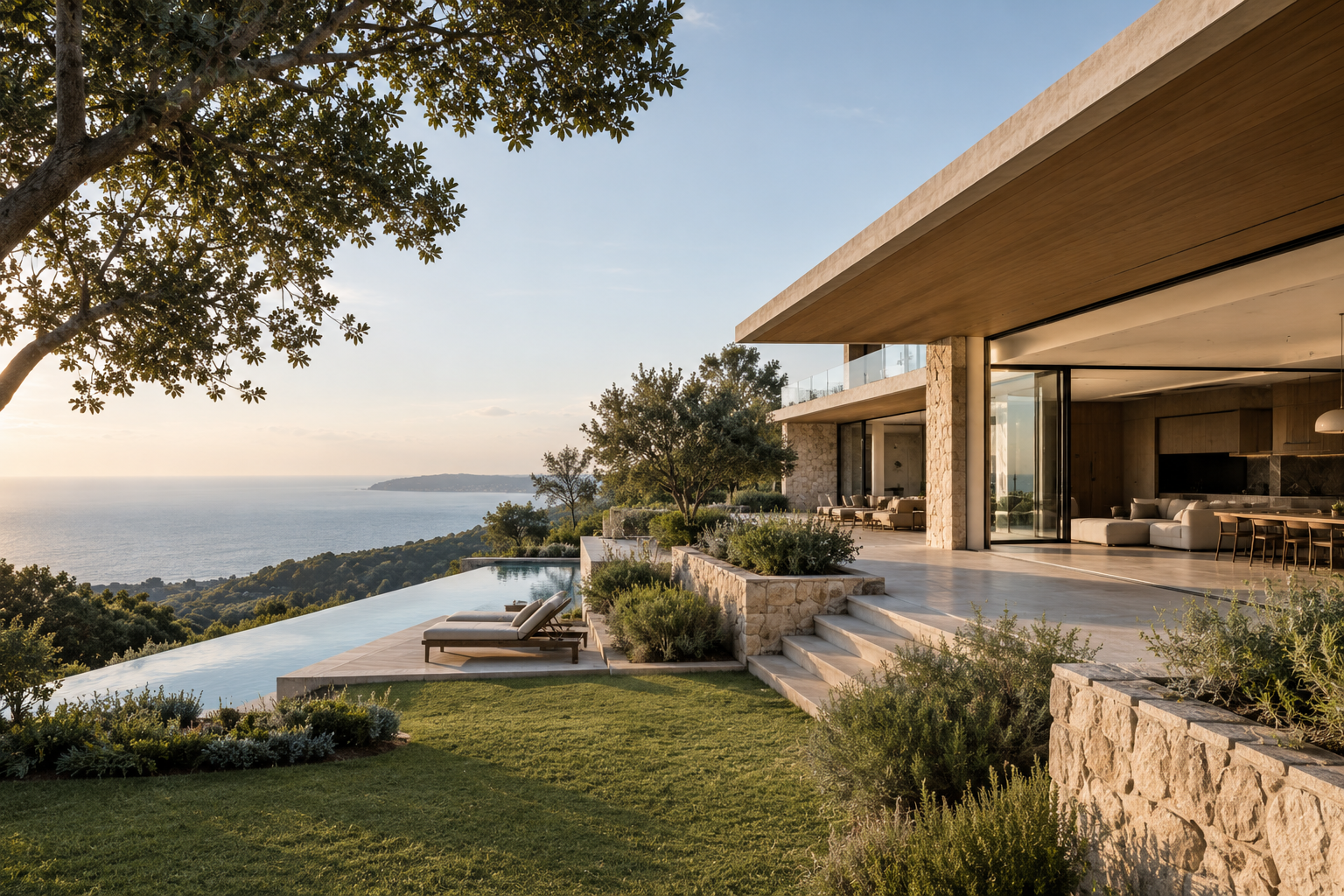
Good architecture shapes more than the appearance of a home. It influences how you move through space, how light enters a room, and how a property responds to the rhythms of daily life. For homeowners considering a new residence or renovation, understanding what separates thoughtful design from standard construction can have implications that extend well beyond completion.
A well-designed property offers more than visual appeal. Exceptional residential architecture improves everyday living, strengthens a property’s identity, and creates lasting value when design decisions are made with care and precision.
For discerning homeowners, investing in bespoke architectural design means looking beyond the immediate construction process. The orientation of a home, its relationship with the landscape, the flow between rooms, and the quality of natural light all influence how a property performs and feels over time.
The Foundations of Good Architecture
One of the most important considerations is functionality. Thoughtful spatial planning creates more usable living areas, improves privacy, and establishes a seamless connection between indoor and outdoor environments. These qualities contribute to a home that feels intuitive rather than simply impressive.
Climate response plays a significant role in how a building performs. In Sydney’s variable conditions, understanding solar orientation, prevailing breezes, and seasonal light patterns allows a residence to work with its environment rather than against it. Passive design strategies can reduce reliance on mechanical systems while improving comfort throughout the year.
The relationship between interior and exterior spaces deserves particular attention. A considered threshold between garden and living area, or the placement of a window to frame a specific view, can transform how occupants experience their home. These decisions shape daily rituals and create moments of connection with the surrounding landscape.
Material Integrity and Crafted Detail
Material selection and detailing are equally significant. Durable finishes, considered proportions, and carefully executed joinery help maintain a property’s appeal while reducing the need for premature upgrades. When architecture and interior design are developed together, the result is a cohesive environment in which every element serves a purpose.
The way materials age matters. Some finishes improve with time, developing a patina that adds character. Others require constant maintenance to retain their original appearance. Understanding these qualities during the design phase allows for choices that align with both aesthetic intent and practical realities.
Detailing extends beyond decoration. The junction between wall and ceiling, the proportions of a door frame, or the reveal around a window all contribute to spatial quality. These elements often go unnoticed, yet their cumulative effect shapes how refined a space feels.
Working with a registered architect through the NSW Architects Registration Board ensures that design decisions meet regulatory requirements while pursuing higher ambitions. The technical knowledge required to resolve complex junctions, coordinate services, and achieve buildability cannot be separated from design excellence.
How Good Architecture Responds to Change
Future adaptability deserves attention from the earliest stages of a project. A home designed around changing lifestyles, evolving family needs, and practical maintenance requirements can remain relevant long after its original completion.
Flexibility takes many forms. Rooms that can accommodate different functions, circulation patterns that allow for future reconfiguration, or structural systems that permit later alterations all contribute to a building’s longevity. This approach differs from designing spaces that serve only immediate requirements.
Multi-generational living, home offices, aging in place, and shifting household compositions all place different demands on residential space. Anticipating these possibilities without over-determining every outcome requires a balance between specificity and openness.
The construction quality established during the build phase influences how well a property can adapt. Robust framing, accessible services, and clear documentation support future modifications. These invisible aspects of construction often prove more valuable than surface finishes when circumstances change.
Value Beyond the Immediate
Although good architecture cannot guarantee a particular financial return, it contributes to a property’s desirability, usability, and long-term appeal. The market recognises quality in ways that extend beyond superficial styling or short-lived trends.
Properties that demonstrate clarity of concept, quality of execution, and responsiveness to context tend to maintain their relevance. They offer something beyond fashion, grounded in fundamental principles that remain valid across different periods and tastes.
The experience of living in a thoughtfully designed home differs from occupying generic space. The way morning light enters a kitchen, the acoustic quality of a living area, or the sense of enclosure in a bedroom all contribute to daily wellbeing in ways that are difficult to quantify but impossible to ignore.
Our architectural services focus on these enduring qualities rather than temporary styling. Each project responds to its specific site, brief, and context, but all share a commitment to design rigour and careful resolution.
Decisions That Shape Lasting Quality
Ultimately, the value of great architecture lies in the decisions that shape a property from the beginning. By combining thoughtful planning, material integrity, and a clear design vision, homeowners create spaces that deliver enduring value well beyond the initial build.
The design process itself matters. Time invested in understanding a site, testing different spatial arrangements, and refining details yields results that cannot be achieved through rushed decision-making or generic solutions. Good architecture emerges from this considered approach.
Collaboration between architect, builder, and client establishes the conditions for quality outcomes. Clear communication, shared understanding of priorities, and respect for each participant’s expertise allow projects to navigate complexity while maintaining design intent.
The relationship between cost and value deserves careful consideration. Budget constraints are real, but focusing solely on minimising expenditure often leads to compromises that diminish long-term performance. Understanding where investment yields lasting benefit allows for strategic allocation of resources.
Design excellence is not about extravagance or unnecessary complexity. It emerges from clarity of purpose, economy of means, and attention to fundamental qualities that make spaces work well and feel right over extended periods.
If you are considering a residential project and want to explore how thoughtful design can add lasting value to your property, we would welcome the opportunity to discuss your needs. Contact Maya Sternberg Architects to begin a conversation about your project.