
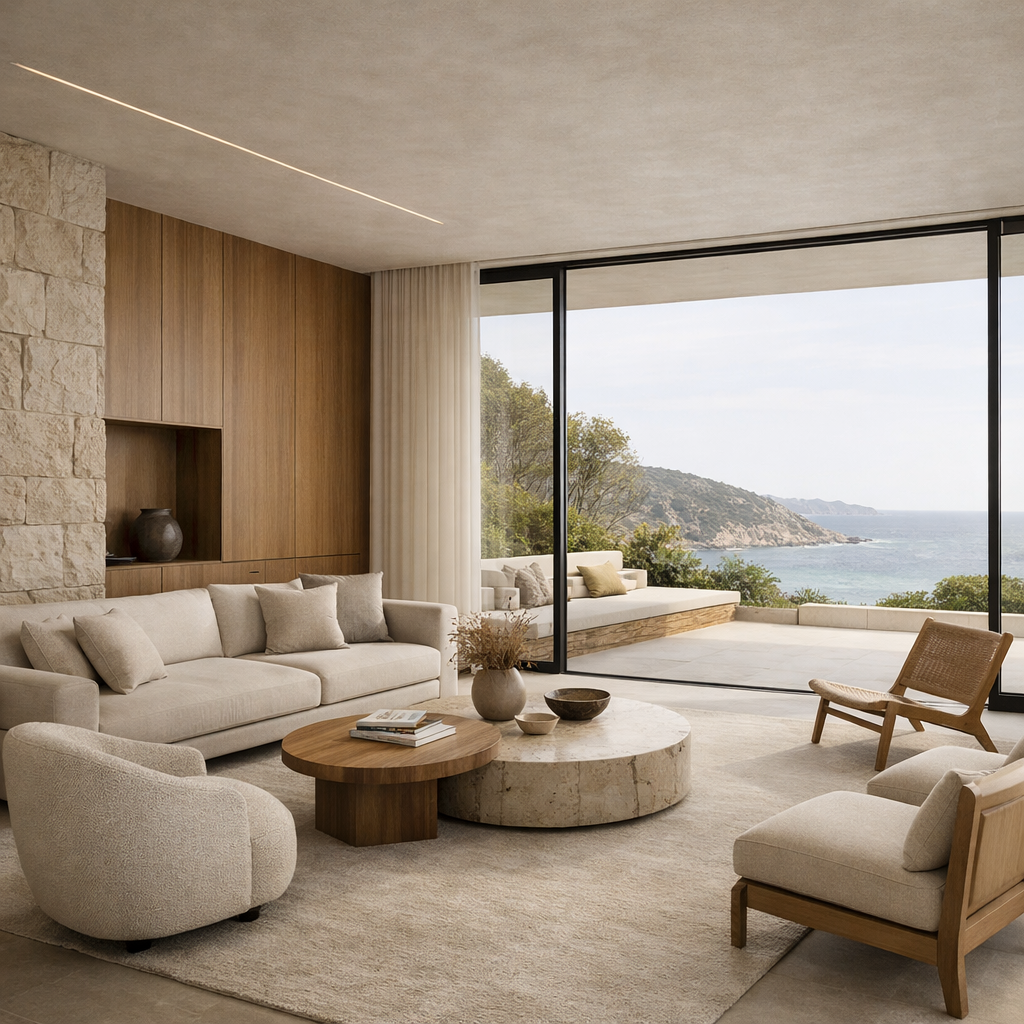
Luxury residential architecture in 2026 is moving away from visual excess and toward a philosophy often described as quiet luxury. Instead of dramatic statement interiors or overly decorative homes, the most sought-after architect-designed homes now focus on timeless design, exceptional materials, and refined spatial planning that will remain elegant for decades.
For homeowners building or renovating high-end residential properties, this shift represents a fundamental change in how we think about luxury. The emphasis is no longer on how many features can be added or how bold a statement can be made. Instead, luxury is expressed through craftsmanship, natural materials, and thoughtful architectural detailing that speaks quietly but with real authority.
The Philosophy Behind Quiet Luxury
Quiet luxury in residential design is about restraint, authenticity, and longevity. It rejects the idea that luxury must announce itself through grand gestures or expensive finishes that dominate a space. Instead, it values quality over quantity, substance over surface, and considers how a home will live and age over time.
This approach requires a deep understanding of architecture, materials, and how people actually inhabit their homes. It demands attention to proportion, detail, and the quality of light and space. These are the elements that create a sense of calm and wellbeing, qualities that can’t be bought off a showroom floor but must be designed into the very fabric of a home.
Natural Materials in Luxury Residential Architecture
One of the strongest movements in contemporary luxury design is the return to authentic, tactile materials. Architects are increasingly specifying materials that have genuine depth, character, and a proven ability to age beautifully over time.
These materials include natural stone, European oak timber, limewash and textured plaster walls, hand-finished metal detailing, and bespoke joinery and cabinetry. Each brings warmth, texture, and a sense of permanence that synthetic finishes simply cannot match.
In luxury architecture, authenticity is replacing generic finishes and short-term trends. When a client runs their hand along a piece of solid timber joinery or walks across a floor of natural stone, they experience something tactile and real. These materials connect us to the natural world and create interiors that feel both sophisticated and enduring.
Spatial Planning That Prioritises Light and Flow
Modern luxury residential architecture is redefining how we plan and experience interior space. Rather than filling rooms with decorative elements or breaking up floor plans into numerous small spaces, architects are prioritising openness, connection, and the quality of light.
This means designing for natural light, framing landscape views, creating seamless indoor-outdoor living, establishing clean architectural lines, and incorporating integrated storage and joinery. These elements work together to create homes that feel calm, balanced, and highly functional.
The result is architecture that feels generous without being wasteful, refined without being austere. Spaces flow naturally from one to another, rooms serve multiple purposes with grace, and the distinction between inside and outside becomes pleasantly blurred. This is design-led thinking at its best, prioritising how a home will actually be lived in rather than how it might photograph.
The Role of Landscape and Aspect
Luxury homes in Sydney and across Australia increasingly treat landscape and aspect as integral to the architectural design. The way a home sits on its site, how it captures winter sun and summer breeze, and how it frames views of the garden or surrounding context are all critical considerations.
Good residential architecture responds to its specific site and climate. This might mean deep eaves for sun control, carefully positioned windows to capture cross-ventilation, or living spaces that open entirely to a north-facing garden. These are timeless strategies that have always been part of thoughtful Australian design.
Invisible Technology and Integrated Systems
Smart home technology is becoming increasingly integrated within high-end residential design, but the focus is now on invisibility. Concealed air conditioning, hidden speakers, integrated lighting systems, and automated blinds allow homes to function intelligently without compromising the architectural aesthetic.
The best technology is the technology you don’t notice. When systems are fully integrated into the architecture from the beginning, they enhance comfort and functionality without cluttering spaces or creating visual noise. This requires close collaboration between architect and consultant, and careful coordination during both design and construction.
Working with a Registered Architect for Luxury Homes
Creating a home that embodies these principles requires the skill and experience of a registered architect. Working with someone registered through the NSW Architects Registration Board ensures you’re engaging with a professional who has the training, knowledge, and legal accountability to deliver a project of this complexity.
Luxury residential architecture is not simply about specifying expensive finishes or following the latest trends. It requires a deep understanding of spatial planning, building performance, material behaviour, and how all these elements come together to create a cohesive whole. This is the value that comprehensive architectural services bring to a residential project.
The most successful luxury homes combine timeless architectural principles with refined materials and thoughtful interior design. They’re places that feel sophisticated, calm, and deeply personal. They improve with age rather than date quickly. And they’re designed around the specific needs, aspirations, and daily rituals of the people who will live in them.
The Future of High-End Residential Design
The direction toward quiet luxury represents a maturing of residential design in Australia. Clients investing in architect-designed homes are increasingly educated, widely travelled, and clear about what they value. They understand that real luxury lies in quality, comfort, and longevity rather than superficial displays of wealth.
This shift is also a response to a broader cultural moment. As our lives become more complex and connected, there’s a growing desire for homes that offer retreat, calm, and a sense of permanence. Architecture can provide this, but only when it’s conceived holistically and executed with real care.
If you’re considering a new home or renovation and these ideas resonate with you, we’d welcome the opportunity to discuss your project. Maya Sternberg Architects works with clients across Sydney to create thoughtful, design-led residential architecture that will stand the test of time.