
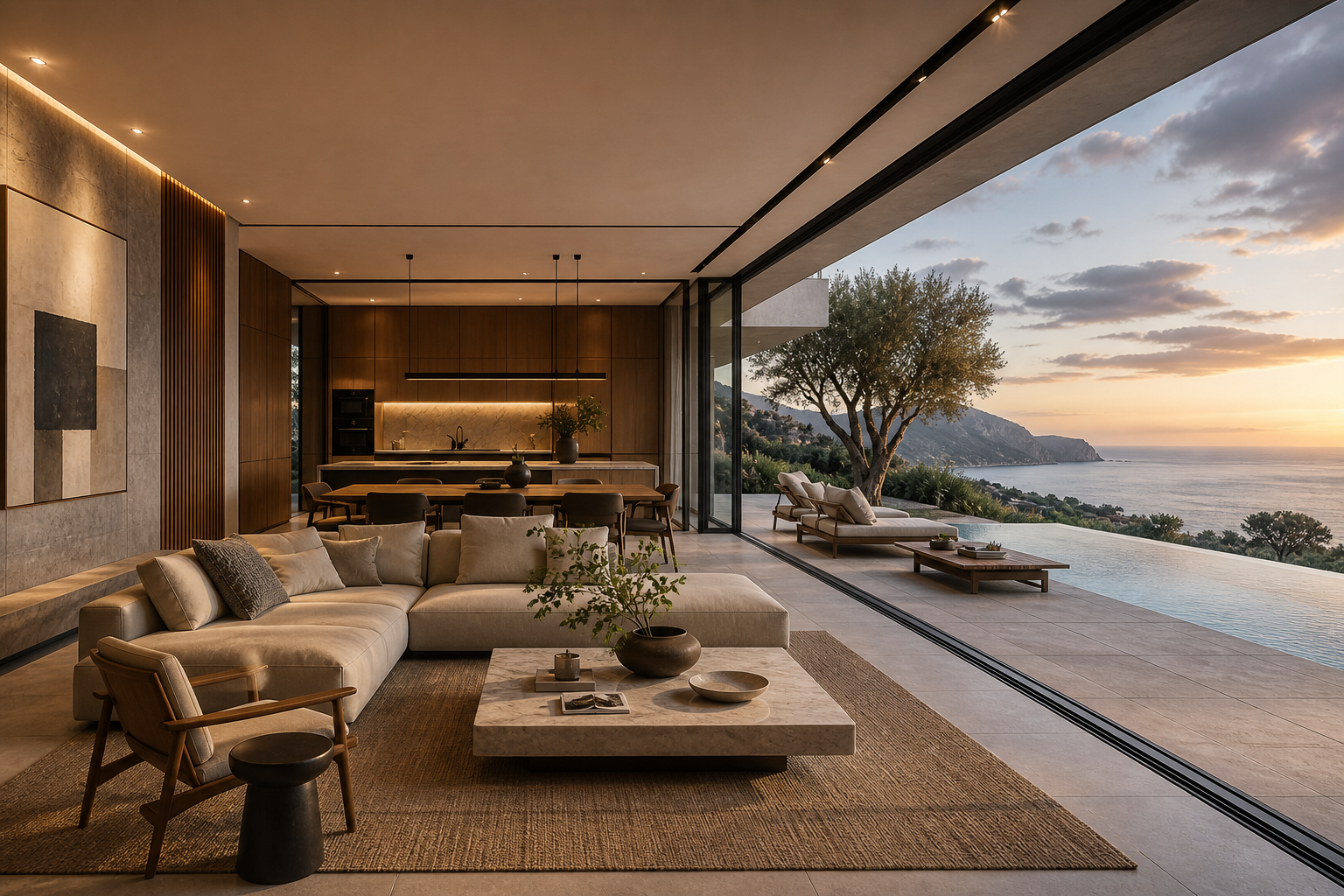
In 2026, luxury architecture and interior design are shifting toward one clear objective: future-proof living. Today’s discerning clients are investing in high-end residential architecture that not only reflects refined aesthetics but also adapts to evolving lifestyles, technologies, and environmental demands.
One of the most significant trends is flexible spatial design. Modern homes are no longer static; they are designed with adaptability in mind. From multi-functional living areas to convertible workspaces, bespoke home design now prioritizes fluidity without compromising elegance. This is particularly valuable for high-net-worth homeowners seeking long-term usability and return on investment.
In premium interior design, there is a growing emphasis on sensory experience. Lighting design, acoustics, and spatial flow are being carefully curated to create environments that feel calm, immersive, and intuitive. These elements are essential in delivering the elevated standard expected in luxury home interiors.
Sustainability continues to lead innovation. Eco-friendly architecture now integrates passive design strategies, energy-efficient systems, and durable materials that enhance both performance and long-term value. Clients are increasingly aware that sustainability is not just ethical—it is a hallmark of intelligent, high-end design.
Another defining feature is architectural personalization. From custom-built furniture to tailored material palettes, every detail is curated to reflect the client’s identity, setting a new benchmark in bespoke interior design services.
Ultimately, the future of design lies in creating spaces that evolve with their owners—timeless, intelligent, and built to endure.